
Proven engineeringpowerin energy storage.
With battery energy storage (BESS), shift daytime generation to the evening peak; raise returns through arbitrage, peak shaving and grid services.
BESS Investment MeetingGenerate, store, deliver at the right moment.
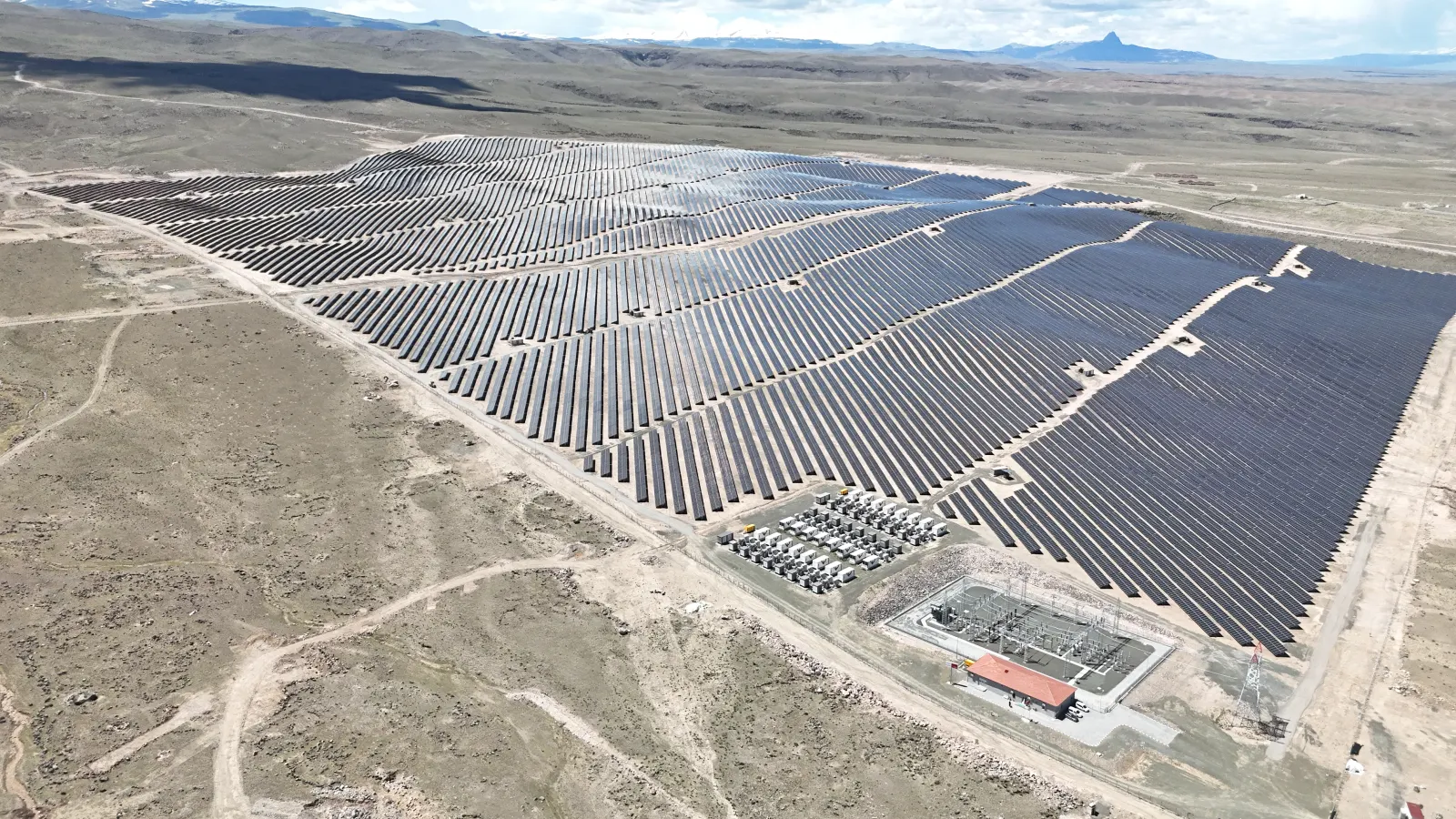
From generation to grid — a smart cycle that stores energy in the battery and dispatches it when it is worth most.
Storage — the missing link of renewables.
Solar and wind are variable; the moment they generate rarely matches the moment energy is worth most. Battery storage (BESS) closes that gap: it stores cheap/surplus daytime energy, sells at the evening peak (arbitrage), shaves consumption peaks and provides frequency/balancing services to the grid — turning variable generation into a dispatchable, more valuable asset.
With a 2,525 MWp storage-backed portfolio across 55 licensed sites, Egesa manages BESS investment from feasibility to operation — one partner for hybrid PV+BESS licence modelling, battery sizing, PCS/EMS design and grid-connection management. 97% of our solar portfolio and 92% of our wind portfolio is storage-backed.
- 01
Energy Arbitrage
Charge when cheap, discharge when expensive — more revenue from the same energy.
- 02
Peak Shaving
Meet consumption peaks from the battery; cut demand charges and grid costs.
- 03
Hybrid PV + BESS
Make solar “firm”; shift output to the evening and use grid capacity more efficiently.
- 04
Grid Services
Frequency regulation and balancing as extra revenue streams and grid support.
One standard, from cell to grid.
One partner at every stage of a BESS investment — full scope across eight areas.
Feasibility & Use Case
Arbitrage, peak shaving or grid services? Defining the business case with revenue modelling and C-rate/duration analysis.
Hybrid Licence Modelling
PV+BESS hybrid connection model, EPDK/grid rules and YEK-G compliance assessment.
Battery Sizing & Chemistry
MWh/MW ratio, LFP/NMC chemistry selection, cycle life and degradation modelling.
System Design (PCS/EMS)
Inverter (PCS), energy management system (EMS), thermal management and fire-safety design.
Procurement, Transport & Insurance
Tier-1 cell/container supply, hazardous-goods logistics, customs and erection insurance.
Installation & Grid Connection
Container/rack install, MV/HV integration, transformer and grid connection, commissioning.
EMS / SCADA Monitoring
24/7 EMS and BMS monitoring, charge/discharge optimisation, performance and status reporting.
Maintenance & Operations (O&M)
Guaranteed O&M, state-of-health (SoH) tracking, thermal and fire-system maintenance.
Storage growing in the field.
Certificates and standards
From cell to field, we work to international quality, environmental and safety standards.
Certification body: VIVA Technical Control and Certification — verify at vivacertificat.com
Battery systems pass international safety and fire testing (e.g. IEC/UL) and independent audit.
Let’s start feasibility for your storage investment.
One partner from use case to commissioning. Response within two business days.
Request an Investment Meeting →About investing in storage (BESS)
What does a BESS actually do?
Battery storage saves electricity when generated and returns it when need/value is highest. Main uses: arbitrage (charge cheap, sell expensive), peak shaving, backup power and frequency/balancing services to the grid.
Why is it built together with PV (hybrid)?
Solar generates by day, but value is often at the evening peak. A PV+BESS hybrid shifts daytime energy to the evening, uses the grid connection more efficiently and turns solar into a dispatchable (“firm”) source.
Our solar solution →How does a BESS investment pay back?
Revenue comes from arbitrage margin, demand-charge savings and grid-service payments. With the right C-rate/duration and use case, payback is modelled per site in feasibility.
Request feasibility →What is the battery lifetime and degradation?
Modern LFP cells typically deliver 6,000+ full cycles and 10+ years of service. With state-of-health tracking, thermal management and guaranteed O&M, capacity loss is managed predictably.
How are safety and fire risk managed?
Cell selection (thermal-runaway-resistant LFP), multi-layer fire detection/suppression, liquid-cooled thermal management and BMS monitoring minimise risk; systems are tested to international standards.
Can it be hybridised with wind too?
Yes. A wind + battery hybrid balances variable generation and can provide grid services.
Our wind (WPP) solution →